

Marble Care Myths Debunked
Marble Care
Myths Debunked
Marble has been treasured as a construction and decorative material for millennia, symbolizing timeless elegance and sophistication. From ancient temples and palaces to modern homes, marble’s natural beauty, unique veining, and versatility have made it a favored choice for floors, countertops, walls, and accents. For households planning to build or buy homes with marble features, concerns about its maintenance are common. This blog aims to debunk widespread myths, clarify misconceptions, and offer practical advice on marble care to help homeowners maintain the durability and beauty of their marble surfaces.
General Misconceptions About Marble
Many myths surround marble, often deterring people from choosing this exquisite stone in their homes. The primary misconceptions include:
1. MARBLE ARE NATURAL AND ARE ONLY AVAILABLE IN WHITE COLOR UNLIKE CERAMIC TILES
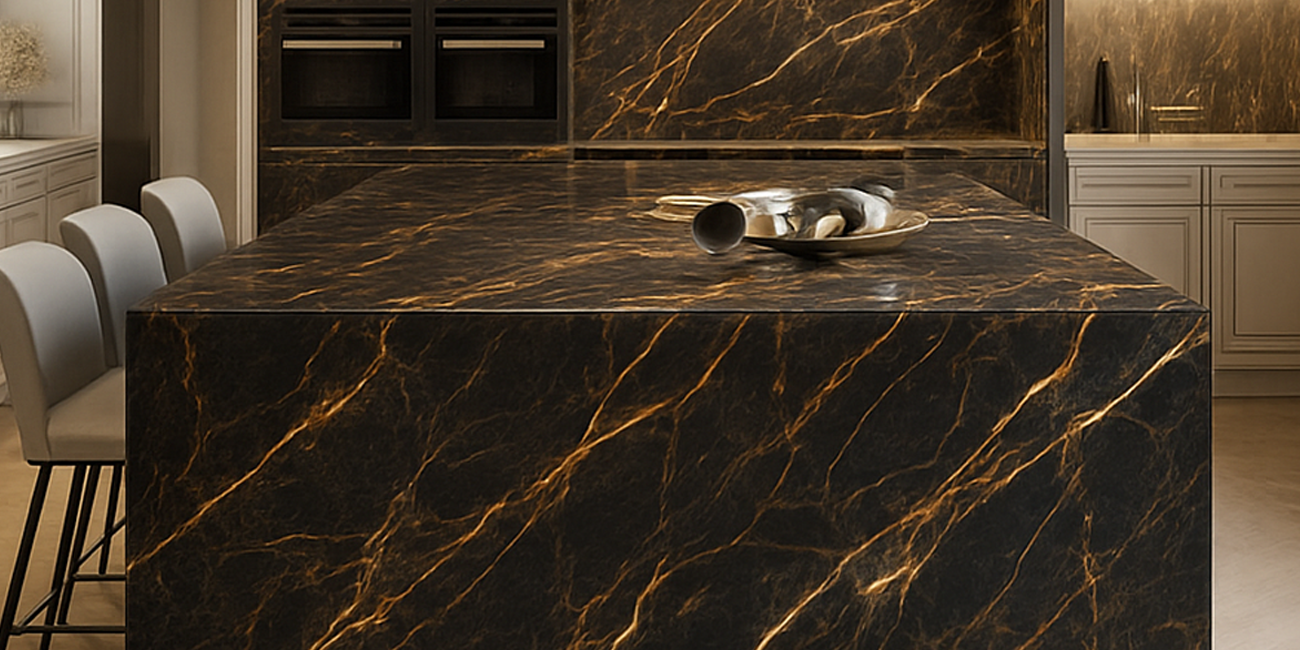
A common misunderstanding is that marble, being a natural stone, is produced in a variety of manufactured colors like ceramic tiles. In reality, marble is a metamorphic rock formed over millions of years through the recrystallization of limestone under intense heat and pressure. The purest form of marble—composed primarily of calcite (CaCO₃)—is naturally white, as seen in famous varieties like Carrara, Makrana, or Statuario. Any coloration in marble results from the presence of mineral impurities such as iron oxides, serpentine, or graphite within the stone during its natural formation, not through artificial pigmentation. Unlike ceramic tiles, whose colors, textures, and patterns can be engineered in manufacturing, marble’s veining and tones are entirely natural and cannot be replicated uniformly. This means that while the classic white marble is the most iconic and sought-after, its elegance comes from the organic patterns and subtle variations created by geological processes—making each slab completely unique.
2.MARBLE IS EASILY STAINED
AND DAMAGED
Marble’s porous nature does make it susceptible to stains from acidic substances like wine, citrus juice, or coffee. However, with proper sealing—recommended every 6 to 12 months depending on usage—it can resist staining effectively. Immediate blotting of spills rather than wiping helps prevent staining. Choosing denser marble varieties for areas prone to heavy use can further reduce the risk. Moreover, what some consider a “patina” or slight etching develops naturally over time and adds to marble’s charm, reflecting its timeless character.
3. MARBLE IS TOO
HIGH-MAINTENANCE
A frequent belief is that marble requires excessive effort to keep it pristine. While marble is indeed natural and porous, modern care techniques have made its maintenance straightforward. Regular sealing combined with gentle cleaning using pH-neutral products is sufficient to keep marble looking elegant without exhausting upkeep. Advancements in sealants have improved marble’s stain resistance significantly, making it just as practical for kitchens, bathrooms, and living areas as other materials.
4. MARBLE IS FRAGILE AND
EASILY SCRATCHED
While softer than granite, marble is durable enough for many household uses when appropriately cared for. Avoiding dragging heavy objects directly on marble floors, using protective pads under furniture, and treating stains and scratches promptly can significantly prolong the surface’s lifespan. Polishing can restore shine and minimize the appearance of small scratches or etching.
How to Maintain Marble for Maximum Durability
Maintaining marble doesn’t require intensive labor but adherence to some straightforward principles and routine care that promote longevity and beauty:
● Regular Cleaning
Dust or sweep marble surfaces daily with a soft microfiber cloth or broom to remove abrasive particles. For routine cleaning, use warm water mixed with a mild, pH-neutral dish soap or stone cleaner. Avoid acidic or abrasive cleaners such as vinegar, lemon, or bleach, which can etch or dull the surface. After cleaning, always buff the surface dry with a soft cloth to prevent water spots.
● Prompt Spill Management
Due to marble’s porosity, spills should be blotted immediately with a soft cloth. Do not wipe spills, as this can spread liquid and increase the chance of staining. Acidic spills (like citrus juice, wine, or coffee) require especially quick action to avoid etching.
● Sealing
Sealing marble creates a protective barrier that repels moisture and stains. Use high-quality marble sealers as recommended by manufacturers, generally every six to twelve months, or when water stops beading on the surface, indicating the seal has worn off. Certain marbles may not require sealing, so consult professionals or suppliers before application to avoid discoloration.
● Deep Cleaning and Polishing
A monthly deep cleaning with a stone-safe detergent or marble-specific cleaner helps maintain the natural luster of marble. Polishing with special marble powders or commercially available marble polish restores shine and can reduce dullness caused by wear. For stubborn stains, applying a baking soda paste (baking soda mixed with water) as a poultice can lift them out. For extensive damage or etching, professional restoration services may be sought.
● Preventive Measures
Protect marble from heavy impacts and scratches by avoiding dropping heavy objects and using felt pads under furniture legs. In outdoor or sun-exposed installations, consider UV-protective films or sealers to minimize color fading. Employ shade structures or pergolas where possible to shield outdoor marble from harsh weather.
Conclusion
Marble remains an unparalleled symbol of beauty and refinement in home design, capable of elevating any space with its timeless allure. Despite common misconceptions about its fragility or high maintenance, marble can be cared for effectively with simple, consistent practices. Regular cleaning, sealing, prompt spill management, and periodic polishing ensure marble surfaces retain their durability and exquisite appearance throughout the years. For households planning to incorporate marble in their homes, understanding and debunking these myths not only alleviates worry but also empowers them to make confident, informed choices about investing in this elegant natural stone. With proper care, marble is not only an aesthetic asset but a lasting legacy for future generations.
Leave a Reply