
Why Marble Is the Best Investment for Luxury Interiors
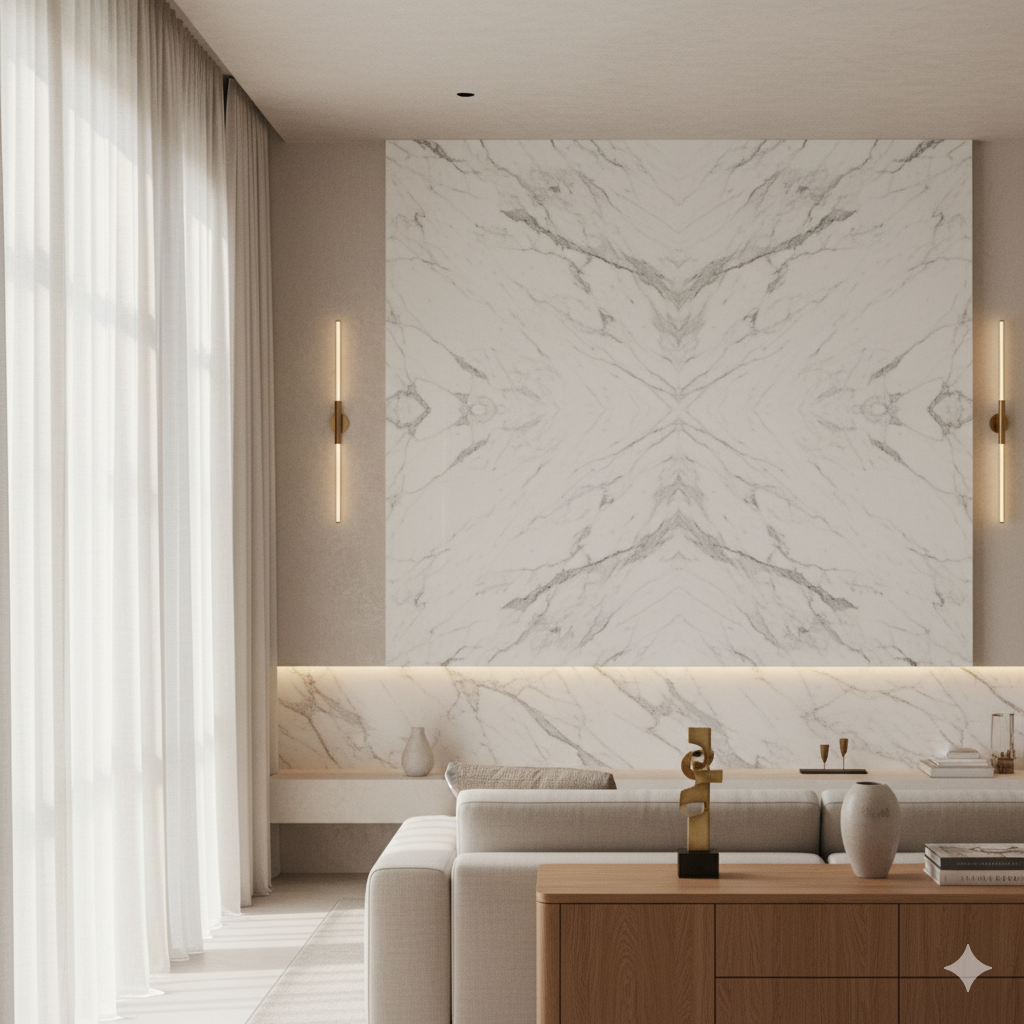
Why Marble Is the Best Investment for Luxury Interiors
Introduction
Great luxury does two things at once. It looks effortless on day one and it keeps its dignity for years without demanding attention. Marble delivers this rare combination better than almost any other surface. It brightens rooms with a soft, natural glow, introduces graceful movement through veins, and makes spaces photograph beautifully without heavy styling. Unlike trend finishes that feel dated in a few seasons, a well chosen marble reads current in 2025 and will still feel right a decade from now.
Investment is not only about the purchase invoice. It is about lifecycle value. Marble can be re-honed and re-polished after years of use, which returns it close to new without replacement. It elevates perceived value in real estate, influences buyer sentiment, and anchors a project’s brand story in hospitality and retail. Pair that with smart placement, practical finishes, and a clear aftercare routine, and marble becomes the most cost-effective path to a premium interior that stays premium.
There is also a sensory case. Surfaces we touch every day should feel calm and cool to the hand, soften light in the evening, and mute visual noise in open plans. Marble excels here. A honed floor quiets glare. A leathered island invites touch during family conversations. A book matched wall sets the rhythm for furniture and art so a room needs fewer objects to look complete. Add the ability to plan vein flow, select thickness and edges for comfort, and restore the surface years later, and marble moves from a material choice to a long-term design strategy that protects both aesthetics and budget.
Index
- The design value of marble light scale and mood
- Longevity and lifecycle economics that beat fast trends
- Real estate and brand perception how marble influences value
- Where to invest for maximum impact walls floors baths and kitchens
- Finishes that balance luxury with daily life
- Sustainability and restoration the quiet green story
- Budgeting like a pro where to splurge and where to save
- Common objections and the practical answers
- FAQs
- Conclusion
The design value of marble light scale and mood
Marble changes the way a room receives light. The surface does not just reflect, it refracts gently inside the stone, creating a depth that paint or laminate cannot replicate. Large slabs remove visual clutter and make rooms feel expansive. Veins add movement that guides the eye and sets a calm rhythm. This is why a single book matched wall can carry an entire living room. In premium bedrooms and lobbies, marble gives the quiet confidence that defines luxury: minimal decoration, maximum presence.
Longevity and lifecycle economics that beat fast trends
Trendy materials often look great in year one and tired in year three. Marble goes the other way. With simple habits like pH-neutral cleaning and scheduled sealing, it ages gracefully. When the surface loses clarity after years of service, a maintenance polish brings back the glow without ripping out floors or cladding. That means the upfront spend stretches across a longer, better-looking life. In commercial settings, restoration over replacement reduces downtime and waste, which compounds savings over the lifecycle of a hotel, mall, or office.
Real estate and brand perception how marble influences value
Buyers and guests read marble as a signal of quality. In homes, it strengthens first impressions in the foyer and living room and supports higher appraisal values. In hospitality and retail, the stone becomes part of the brand memory. Guests remember the lobby wall and the spa bathroom long after checkout. For luxury developers, a curated marble palette differentiates inventory without resorting to complicated decor, which keeps show flats elegant and repeatable.
Where to invest for maximum impact walls floors baths and kitchens
- Living room and foyer
Place a vein planned, book matched wall to anchor the space. Keep floors calm in honed beige or soft greige to hide daily dust. The combination of photographs like a magazine spreads and feels restful in daily life. - Bathrooms
Polished marble on walls with honed floors creates a spa mood instantly. Even compact bathrooms feel generous when walls carry light rather than absorb it. Add a ribbed or fluted marble detail on the vanity fascia to layer texture without adding color. - Bedrooms
Use marble in focused accents that you touch and notice daily: a window seat, a dresser top, or a headboard shelf. This gives tactile luxury without visual weight. - Kitchens
Use honed or leathered marble on the island and a matching full-height backsplash away from the highest heat zone. Keep the main prep run in a tougher companion surface. You get the premium look where eyes land and the low-stress work area where hands work. - Staircases and passages
Honed marble with a well-detailed nosing looks refined and safe. Vein-matched runs in long halls guide movement and make the flow feel intentional.
Finishes that balance luxury with daily life
- Polished
Mirror depth that suits walls, foyers, and master baths. It amplifies light and looks cinematic in photographs. - Honed
Satin matte that softens glare, improves foot grip, and hides micro scratches. Ideal for most floors and hardworking counters. - Leathered also called brushed
Fine texture that feels premium to the hand and disguises fingerprints and tiny marks. Excellent for islands, vanities, and accent ledges. - Choosing the finish by function first and by mood second is the simplest way to keep the space luxurious and low-maintenance.
Sustainability and restoration the quiet green story
Long life is the most sustainable story a material can tell. Marble can be renewed instead of replaced. Restoration teams can re-hone, re-polish, and reseal surfaces, keeping the original material in use for decades. Clean lots and smart layouts reduce offcuts. Fewer joints mean less adhesive. Neutral cleaners and planned sealing lower the chemical load of maintenance. The result is a premium surface with a smaller footprint over time.
Budgeting like a pro where to splurge and where to save
Spend where the camera and the eye land first: foyer, living feature wall, master bath, kitchen island. Save across large floor areas with warm, value-friendly marbles in honed finish that hide day-to-day dust and need fewer interventions. If the budget is tight, planning beats price. A well vein-matched mid-priced marble can look more luxurious than an expensive stone used randomly.
Common objections and the practical answers
- Marble stains and etches
Yes, when abused. In practice, honed or leathered finishes, sealing at installation, and quick wipe habits make marble easy to live with. For kitchens, keep marble to the island and backsplash, and use a tougher surface on the main prep run. - Marble is slippery
Only when highly polished on floors. Honed floors feel stable and comfortable. Keep high polish for walls and select panels. - Marble is expensive
The right comparison is lifecycle cost. Restoration extends life dramatically. Perceived value in resale or rental markets is consistently higher with clean marble installations. - Marble is high maintenance
Daily reality is simple. Dry dust to remove grit, wipe spills, use a neutral cleaner, reseal on a six to twelve month check. The routine is lighter than most people expect.
FAQs
- Does marble really increase property value?
It strengthens first impressions and appraisal perception, especially in foyers, living rooms, and master baths. Buyers associate marble with premium quality and longevity. - Which finish is best for family homes?
Honed is the most forgiving for floors and counters. Use polished on walls and special features where reflection adds to the mood. - Is marble suitable for busy Indian kitchens?
Yes when used smartly. Choose honed or leathered finishes, seal thoroughly on installation, and keep the main heavy prep area in a tougher companion surface while using marble on the island and backsplash. - How does marble compare to engineered surfaces on lifecycle?
Engineered surfaces resist some stains but cannot be restored the way marble can. Marble can be re-polished after years, spreading the investment over a longer, premium-looking life. - Where should I place marble if I have a limited budget?
Invest in one hero wall, a master bath, and the kitchen island. Use value-friendly honed marbles for large floor areas so the home feels consistently premium.
Conclusion
Marble is more than a beautiful material. It is a strategy for lasting luxury. It shapes light, scales up without visual noise, and sets a calm rhythm that outlives trends. Financially, it pays back through long service, renewability, and stronger buyer sentiment. Practically, it succeeds when you place it where eyes linger and choose finishes that match use. A vein-planned feature wall, a honed floor that feels soft underfoot, a leathered island that invites touch, and a spa-like bath that glows at night these moves combine into a home that stays refined from the first year to the tenth.
To make the investment work hard, think like a custodian, not just a buyer. Approve slab layouts so the pattern tells one story from room to room. Lock finishes by function so floors are safe, counters are forgiving, and walls glow without glare. Confirm thickness and edges for comfort, seal on installation, and follow a realistic, low-effort care routine. When a surface finally looks tired years down the line, restore it instead of replacing it. Done this way, marble protects visual identity, controls lifecycle cost, and lifts the perceived value of your home or project for a very long time. That is why, for luxury interiors, marble is not just a purchase; it is the smartest long-term investment you can make.
Leave a Reply