
Eco Friendly Benefits of Choosing Natural Stone
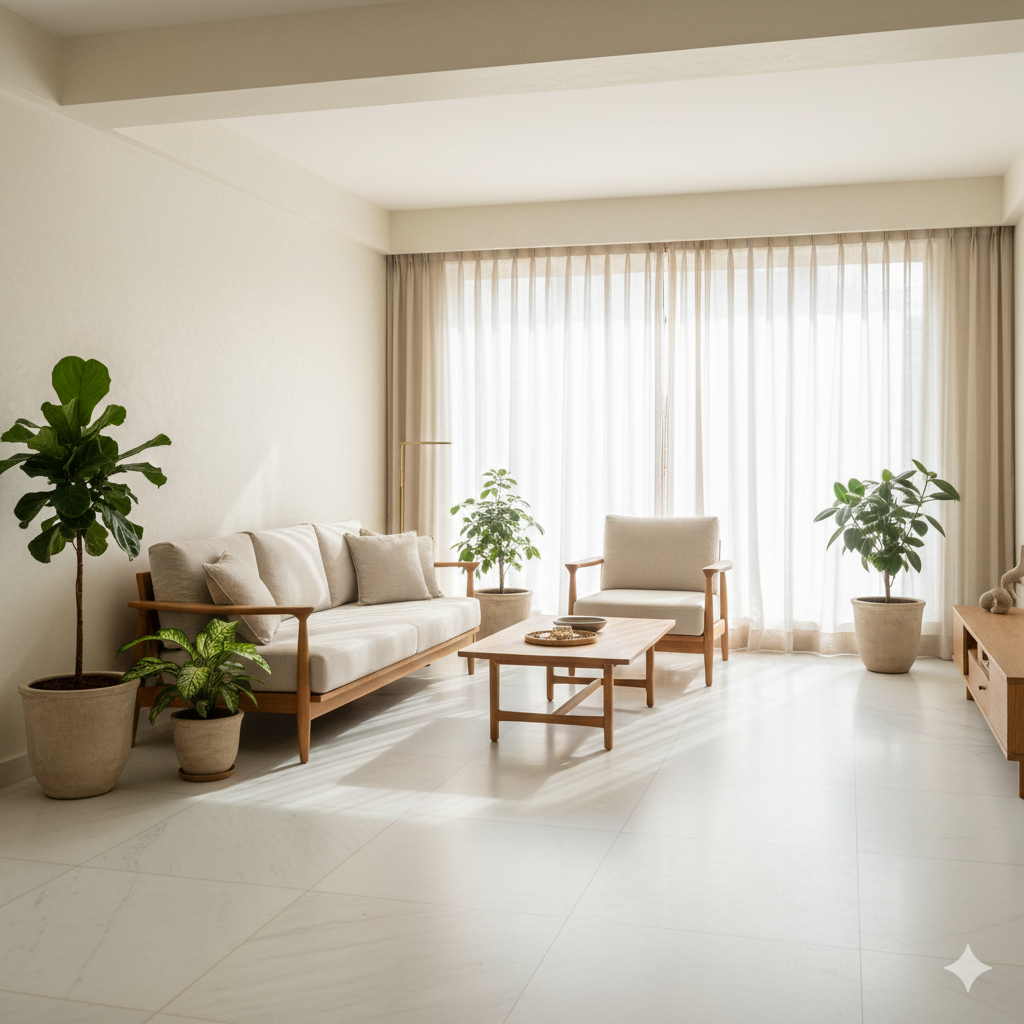
Eco Friendly Benefits of Choosing Natural Stone
Introduction
Sustainable design is not only about new materials and lab claims. It is also about choosing surfaces that last for decades with minimal intervention and that can return to use again and again. Natural stone and especially marble fits this brief beautifully. It arrives from the earth as a single material with no added binders, carries very low levels of volatile compounds, and can be restored many times instead of being discarded. When a floor or wall finally changes use, the slabs can be recut as steps, window sills, ledges, garden pavers, or mosaic. That is a practical circular story that reduces waste without complicated recycling systems.
There is a performance side to sustainability as well. Stone has thermal mass that evens out indoor temperatures. It absorbs heat slowly during the day and releases it gently at night which reduces the load on cooling. It cleans with mild neutral products so daily maintenance uses less chemistry and less water. Because marble is available in many light tones, it reflects daylight deeper into rooms and lowers the need for artificial lighting during the day. Pair these qualities with responsible quarry selection, sensible transport, and clean installation and marble becomes one of the clearest eco friendly choices for homes and commercial spaces.
Index
- Why natural stone is different from synthetic sheets and tiles
- Embodied energy and carbon in extraction and fabrication
- Long life restoration and the power of renewability
- Indoor air quality and low emission interiors
- Thermal mass daylighting and energy comfort
- Responsible sourcing logistics and packaging
- Waste reduction reuse and true circularity
- Cleaning sealing and low impact care
- Design strategies that enhance sustainability
- Buying checklist for eco mindful projects
- FAQs
- Conclusion
Why natural stone is different from synthetic sheets and tiles
Natural stone is a single ingredient material. It does not rely on resins, plasticisers, or complex chemical mixes to achieve strength. It is cut and finished rather than manufactured through high temperature firing or polymer curing. That simplicity helps at every stage from low emissions on day one to easy reuse at the end of a project life.
Embodied energy and carbon in extraction and fabrication
Quarrying and slab cutting use energy, yet the process avoids the continuous high heat that ceramics and many composites require. Water based cutting and polishing systems can be looped and filtered at modern facilities, lowering consumption. Choosing regional or widely stocked stones and optimising slab usage reduce transport and fabrication waste which directly reduces embodied carbon for your project.
Long life restoration and the power of renewability
Marble can be re honed and re polished after years of use. Floors that look tired can regain clarity without removal. Walls can be refreshed to original depth and glow. This renewability keeps the original material in service far longer than many alternatives and prevents demolition waste and replacement emissions. It also protects budgets over the life of a building.
Indoor air quality and low emission interiors
Natural stone is essentially inert. It contains negligible volatile organic compounds and does not off gas. This supports healthy interiors for homes, hotels, and offices. When paired with lime based paints, solid wood, and good ventilation, marble helps create calm, low emission rooms that feel fresh from the day you move in.
Thermal mass daylighting and energy comfort
Stone moderates temperature swings. In warm climates the mass of a marble floor absorbs daytime heat and releases it slowly after sunset. Light coloured marbles brighten rooms by reflecting daylight which can reduce daytime artificial lighting. Together these effects support comfort with less energy.
Responsible sourcing logistics and packaging
Sustainability improves when selection is intentional. Prefer quarries and processors that recycle water, manage slurry responsibly, and document worker safety. Choose stones that are well stocked in your region to cut transport miles. Request reusable wooden crates or recyclable strapping and avoid excessive single use foam where site conditions allow.
Waste reduction reuse and true circularity
Plan layouts to use full slab widths and lengths so offcuts are fewer. Turn remaining pieces into window sills, thresholds, bathroom ledges, and cabinet tops. Keep one labelled offcut on site for future repairs. If a renovation changes layouts, old slabs can be re sized into steps, outdoor benches, garden pavers, or mosaic borders. Stone returns to the material cycle with simple tools which is the essence of practical circularity.
Cleaning sealing and low impact care
Daily cleaning needs only a soft cloth or microfiber mop with a pH neutral solution. That means fewer harsh products entering your home and the water system. Seal during installation and check sealing on a sensible six to twelve month cycle depending on use. Choose low odour water based sealers where appropriate and always ventilate during application.
Design strategies that enhance sustainability
Select light toned marbles for daylight bounce and visual calm. Use honed floors for comfort and longevity in busy areas, keep polished for walls and select features. Approve vein layouts so cuts read as one continuous story which avoids rework. Detail edges that are comfortable to touch so owners keep the original installation longer. Pair marble with efficient warm lighting, ceiling fans, and cross ventilation to amplify the natural comfort of stone.
Buying checklist for eco mindful projects
Approve full slabs in daylight and pick consistent lots to minimise rejects.
Optimise piece sizes and joint lines in drawings before cutting.
Confirm finish by function honed for floors and hardworking counters and polished for verticals.
Record slab numbers and keep photographs for traceability.
Specify reusable or recyclable packaging and plan safe handling to prevent breakage.
Seal on installation and hand over a simple neutral cleaning routine to housekeeping.
FAQs
- Is marble really eco friendly compared to engineered materials?
Yes when judged over a full life. It arrives as a single natural material, emits very low chemicals indoors, lasts decades, and can be restored and reused rather than discarded. - Does sealing negate the environmental benefit?
No when used sensibly. Modern stone sealers are applied in thin films and at long intervals. Choose low odour options and ventilate during use. The reduction in replacements far outweighs the footprint of sealing. - What can I do with old marble during renovation?
Recut slabs as steps, window sills, vanity tops, garden pavers, or mosaic. Donate surplus to community spaces or reuse as study tops and shelves. Stone is easy to re-purpose with standard tools. - Should I prefer local stone over imported?
When two options fit the design equally, choosing regional or widely stocked stones lowers transport impact and lead time. Balance this with durability and long term performance. - Does polished marble increase cooling loads?
Polished on walls adds depth without affecting cooling significantly. For floors, honed finishes feel comfortable underfoot and help keep glare down. Pair with good shading and ventilation for the best thermal comfort.
Conclusion
Eco friendly interiors are built on materials that age well, ask for little, and return to service instead of heading to the landfill. Marble checks these boxes with ease. It is a single natural material with low emissions, it brightens rooms without coatings or complex composites, and it can be renewed many times with careful honing and polishing. When a space changes, the same slabs can become steps, ledges, benches, or garden elements. That simple reusability is real circular design in everyday practice.
The path to a greener project is straightforward. Choose responsibly sourced stone in light tones that support daylight and comfort. Plan layouts that respect the slab so waste is minimal. Match finishes to function so floors stay practical and walls glow without glare. Confirm transport and packaging that can be reused or recycled. Seal during installation, clean with gentle neutral products, and keep one labelled offcut for future repairs. Follow these steps and your home or commercial space enjoys the quiet luxury of marble while cutting waste, chemicals, and replacements across many years. Sustainability becomes visible in the calm of your rooms, the clarity of your air, and the long life of the materials you chose.
Leave a Reply