
How to Remove Stains from Marble: Do’s & Don’ts
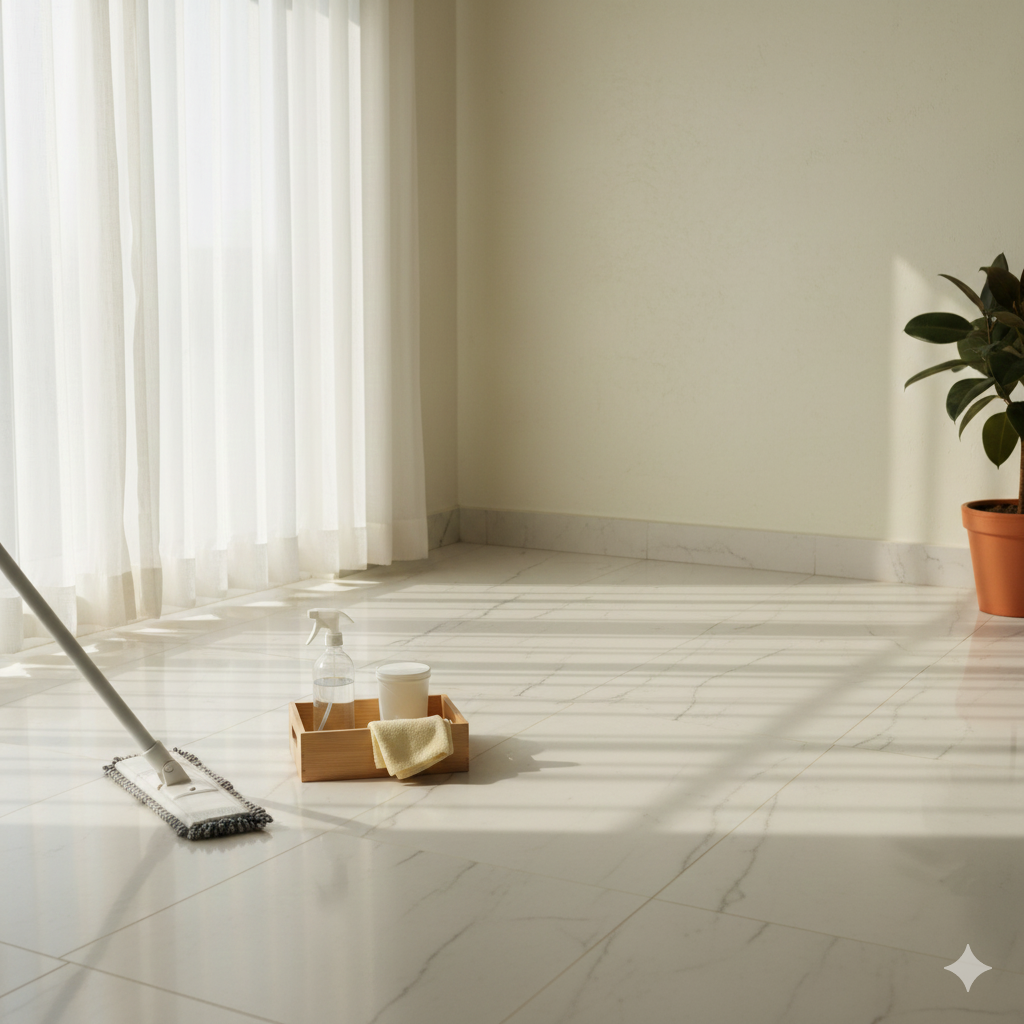
How to Remove Stains from Marble: Do’s & Don’ts
Introduction
Marble is one of the most elegant materials you can bring into your home — but its beauty comes with a responsibility. Even the highest-quality marble is naturally porous, meaning it absorbs liquids, oils, and pigments if not cleaned properly. A tiny spill of coffee, a ring from a glass, or even a decorative metal item can leave behind stubborn stains that dull your stone’s luxurious surface.
Yet, most homeowners panic the moment they see a stain, unaware that nearly every marble stain can be removed safely with the right method. The real challenge lies in understanding what type of stain you’re dealing with; because oil, rust, etching, and organic marks all behave differently and require distinct cleaning solutions.
This detailed guide walks you through every type of marble stain, how to remove them without damage, and the most important do’s and don’ts to protect your flooring, countertops, bathrooms, tables, and marble mandirs. By the end, you’ll know exactly how to treat stains confidently and preserve the natural glow of your marble for years.
Index
- What Causes Marble Stains
- Types of Marble Stains
- How to Remove Common Marble Stains
- Do’s & Don’ts for Cleaning Marble
- FAQs
- Conclusion
What Causes Marble Stains
Marble stains occur when a substance penetrates into the stone’s surface or reacts chemically with it. Because marble is made of calcite, it is sensitive to acids and can also trap oils and minerals within its pores.
Common daily factors that cause stains include:
- Food and beverages
- Oils, lotions, cosmetics
- Hard water deposits
- Metal objects left on the surface
- Bathroom products
- Cleaning chemicals
- Natural pigments from flowers, fruits, or teas
Understanding the source of a stain is the first step toward removing it safely.
Types of Marble Stains
Oil-Based Stains
These are caused by butter, cooking oil, lotions, cosmetics, ghee, or fingerprints. They usually appear as dark, greasy patches that gradually expand.
Oil doesn’t evaporate; it seeps into marble pores, making it one of the most common household issues.
Organic Stains
Tea, coffee, wine, fruits, flowers, and even leaves can create yellowish or brownish stains.
These stains occur because natural pigments react with moisture and penetrate into the marble.
Rust Stains
Left by metal containers, planters, cans, screws, or decorative metal items placed on the marble.
They appear deep yellow, orange, or brown and are the most difficult stains to remove.
Water Stains & Rings
Caused by hard water minerals, soap residue, or glasses left on marble tables.
These are superficial but look dull and cloudy.
Etch Marks (Not True Stains)
Caused by acidic liquids like lemon, vinegar, cola, tomatoes, or harsh cleaners.
Instead of staining the marble, they eat the surface and create pale, dull, rough patches.
These cannot be cleaned; they must be polished.
How to Remove Common Marble Stains
Baking Soda Poultice for Oil Stains
A poultice draws out oil from the pores like a magnet.
Steps:
- Mix baking soda with water into a thick paste.
- Spread a 1 cm layer over the stain.
- Cover with plastic and tape the edges.
- Leave it for 24–48 hours.
- Remove wrap, wipe gently, rinse, and dry.
- For older stains, repeat 2–3 times.
This gentle method removes most cooking and cosmetic oils without harming the marble.
Hydrogen Peroxide for Organic Stains
Hydrogen peroxide is effective on natural pigments like tea, coffee, and wine.
Steps:
- Mix hydrogen peroxide with water (1:1).
- Dip cotton pads in the mixture.
- Place them over the stain for 1–2 hours.
- Remove and wipe the surface.
- Rinse and dry thoroughly.
Important:
Do not use peroxide on dark-colored marble; it can lighten the stone.
Stone-Safe Rust Remover for Rust Stains
Rust stains chemically bond to marble and cannot be removed with home remedies.
Safe method:
Use a marble-safe commercial rust remover made specifically for natural stone.
Apply as per instructions and rinse thoroughly.
If the rust has penetrated deeply, professional grinding or honing may be required.
Polishing Powder for Water Stains & Rings
Water spots are mineral deposits and are easy to treat.
Steps:
- Sprinkle marble polishing powder.
- Buff gently with a soft microfiber cloth.
- Wipe clean and dry.
This restores shine and removes dullness.
Re-Polishing for Etch Marks
Etching is not a stain; it is surface damage.
Fix:
Only polishing or professional honing can restore the smooth shine.
DIY cleaners cannot fix etching because the surface layer itself gets dissolved.
Professional Help for Deep Damage
You may need experts when:
- Rust has penetrated into minerals
- Etching covers large areas
- Cheap cleaners have caused dullness
- Stains are older than 6–12 months
Professionals use diamond pads and polishing machines to restore the marble without removing too much material.
Do’s & Don’ts for Cleaning Marble
Do’s
- Clean spills immediately
- Use pH-neutral marble cleaners
- Use soft microfiber cloths
- Seal your marble yearly
- Use coasters, trays, mats, and runners
- Keep metal objects off the marble surface
Don’ts
- Never use vinegar, bleach, or acid-based cleaners
- Avoid detergents or soap-based floor cleaners
- Do not scrub with rough pads
- Avoid leaving lemon, cola, wine, or tea exposed
- Don’t use bathroom cleaners on marble
- Never attempt to scrub rust stains
Following these ensures long-term shine and durability.
FAQs
- Can all marble stains be removed?
Most can, but deep rust stains and heavy etching may require professional restoration. - Is baking soda safe for marble?
Yes, when used as a poultice and not scrubbed directly. - Why does marble stain so easily?
Marble is porous, so it absorbs liquids. Sealing helps reduce staining. - Can etch marks be cleaned?
No, etching requires polishing; it’s not a normal stain. - How often should I seal marble?
Every 6–12 months, depending on usage.
Conclusion
Marble may require gentle care, but its beauty and luxury make every effort worthwhile. Understanding the exact type of stain; whether it’s oil, organic, rust, water marks, or etching; is the key to treating it correctly. With the right cleaning methods, regular sealing, and daily care, you can keep your marble surfaces looking as flawless and polished as the day they were installed.
Each small measure you take; wiping spills quickly, using coasters, choosing pH-neutral cleaners, and avoiding harsh chemicals; helps maintain the shine and structural integrity of your marble for years, if not decades. If you ever face deep stains or dullness, remember that professional restoration can fully revive the stone’s natural beauty.
Marble is more than just a material; it’s an investment in elegance, craftsmanship, and timeless design. With proper care, it becomes one of the most durable and stunning elements of your home. Treat it well, and your marble will reward you with endless beauty, sophistication, and a glow that never fades.
Leave a Reply